
Football has always been more than just a game played on the pitch or bet on sports online platforms. It is a cultural movement, a global identity, and a living story carried by fans as much as by players. Recently, something interesting has happened. This is the fact that the way fans engage with football is no longer limited to stadiums, TV screens, or traditional media.
Rather, the entire online community is reshaping the way we perceive the sport. One of the biggest influences of all is emerging in an unexpected place. They are the EA Sports FC (formerly FIFA) fan community. These are not official forums or branded campaigns. They are a grassroots network built by fans for fans. Here's how they've influenced the football culture worldwide.
Beyond the Pitch
For years, the culture around football fandom was associated with physical spaces. Supporters gathered at stadiums, pubs, and fan clubs. However, as the sport globalized and digital platforms became dominant, fandom has expanded into new and interactive arenas. Video games, especially the FIFA series (rebranded as EA Sports FC in 2023), were among the most crucial entry points for younger fans.
Although official channels concentrated on marketing and promotion, unofficial fan communities have filled a different gap. They shape how fans interpret and influence the game. These communities act like think tanks, debating player ratings, inventing meta strategies, and creating polls that show collective sentiment about football and gaming.
Why These Communities Matter
The average player doesn't just boot up the game to play a casual match. They follow trends. Which formations are meta? Which players are worth investing in for Ultimate Team? How do real-world performances affect in-game ratings? Unofficial fan platforms have become the nerve centres for these discussions. Their sections are usually structured around:
- Meta-trend debates — They consider which tactics or cards are dominant in the current patch.
- Polls and votes — Crowdsourcing opinions about player performance, underrated cards, or most frustrating mechanics.
- Fan ideas — Concept squads, potential improvements for EA’s gameplay, and wishlist features.
- Community engagement — Casual discussions that make players feel part of a wider football-gaming ecosystem.
These communities are super amazing. This is because they can still influence how fans perceive the game even though they aren't affiliated with EA. It equally influenced how they perceived football itself, by extension.
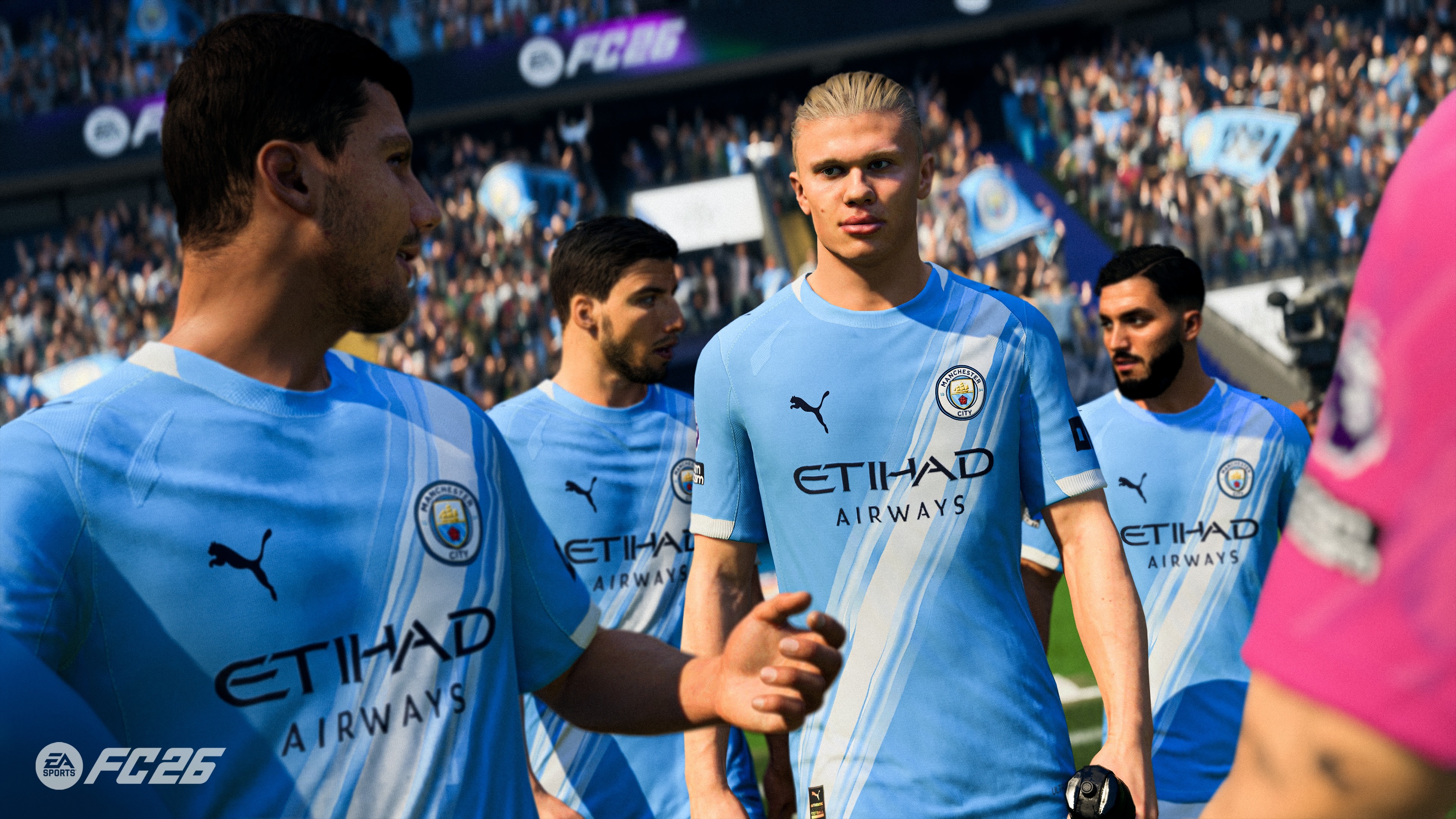
Gaming to Real World Football
The boundaries between digital football and the real sport have been blurred significantly. Many young fans have their first knowledge of footballers from EA Sports FC cards, not live matches. When a striker like Darwin Núñez or Victor Osimhen gets a boosted rating in-game, their real-world reputation grows in parallel.
Fan communities speed this process. Poll asking, “Which striker deserves a Team of the Season card?” Or debates over “Underrated midfielders in EA FC”. These create narratives that spill into broader football culture. A player overlooked in mainstream media coverage might suddenly gain recognition because of digital hype.
Fans as Co-creators
Conventionally, football fandom was reactive. This means supporters consumed news, reacted to transfers, and debated results. Now, through fan communities, they've become co-creators of the narrative. This is thanks to the following:
- Polls on new features — They serve as informal surveys for EA itself. Although not officially acknowledged, they show mass sentiment that can't be ignored.
- Community-created content — This ranges from custom cards to tactics guides. They shape how thousands of players approach the game.
- Engagement with football evolution — Fans use these spaces to imagine new rules, fantasy team-ups, or even football formats that could work in real life.
This participatory model is not just entertainment. It is a cultural shift. Fans are no longer passive audiences. They have now become architects of football’s digital future.
What Makes This Trend Surprising?
At first glance, it is easy to dismiss these fan communities as niche gaming forums. Yet, on a deeper look, you'll see that their influences extend into mainstream football culture. This has left us with some surprising outcomes.
First, it redefines player legacies. A footballer may have an average real-world season but be immortalized by popular in-game cards. For a generation, that card defines their identity.
Second, it creates a shared language and shapes expectations of real clubs. Terms like “Meta,” “OP (overpowered),” or “sweaty goals” have leaked into football commentary outside of gaming spaces. Also, fans now debate why their favorite player has a lower pace rating in EA FC than in reality. This then sparks broader debates about player development.
Lastly, it normalizes data-driven football thinking. Fans raised in EA FC culture are used to analyzing stats, ratings, and probabilities. This mindset is gradually reshaping how fans talk about football strategy.
What's surprising is not their existence. It is the fact that they are transforming football fandom from the ground up. We're all spectators of this influence.
An Exciting Era of Fan Power
The surprising fan trend isn't just about people discussing a video game. It is about the democratization of football culture. Unofficial EA Sports FC communities show how fans change the sport’s narrative in ways beyond the pitch. For traditionalists, this shift may feel disorienting. For the next generation of football lovers, not so much. Rather, it feels natural. Perhaps, this is the most surprising part. The fact that people have more power than ever to shape how they see and experience football.
Comments
No comments yet. Be the first to share your thoughts!