Gaming in 2025 feels less like an isolated hobby and more like a global movement that blends technology, creativity, and community. What used to be seen as a pastime reserved for console or PC players has transformed into an expansive cultural touchstone. Whether it’s through mobile, cloud streaming, esports, or cosy indie titles, the industry has evolved into something that reflects how people want to connect, relax, and compete.
One of the most significant changes driving this evolution is the increasing inclusivity of gaming. Cloud gaming has matured to the point where players no longer need top-of-the-line hardware to enjoy high-quality experiences. Platforms like Xbox Cloud Gaming and GeForce NOW are democratising the gaming experience, allowing people to stream blockbuster games on almost any device. This shift means that players in regions without access to expensive setups can still take part in gaming culture, fostering a far more inclusive and welcoming space.
At the same time, gaming has firmly cemented itself as a social hub. Games like Fortnite, Roblox, and Minecraft aren’t just about winning or completing objectives; they’re digital hangout spots where friends meet up, explore, and even attend events. For younger generations, these platforms act like virtual town squares. It’s not unusual to see players celebrating birthdays, attending in-game concerts, or just spending time together in these digital worlds. This is especially true when looking at gaming culture in the UK, where social play has become just as important as competitive gaming.
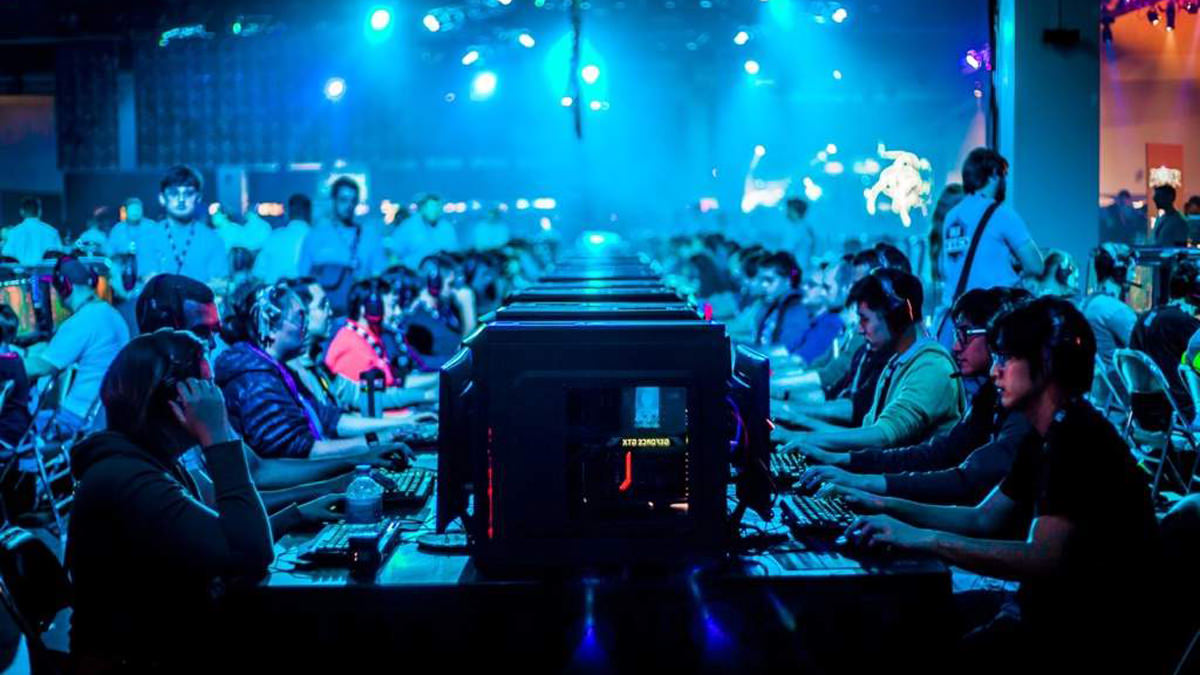
Esports has also moved beyond niche status and into the mainstream spotlight. Competitions now rival traditional sports in terms of viewership, sponsorships, and prize money. Events like the Esports World Cup have proven that competitive gaming is not only a legitimate career path but also a cultural event that brings millions together across the globe. Mainstream media coverage and the rise of collegiate esports programs show just how embedded this scene has become.
Another defining trend is the rise of user-generated content. Players are no longer just consumers; they’re integral to the gaming industry as creators. Tools in games like Fortnite Creative, Minecraft, and Roblox empower players to design worlds, tell stories, and share new experiences. This movement keeps games alive far beyond official updates and strengthens communities where creativity thrives. The success of platforms that reward creators, like Roblox’s revenue-sharing model, highlights how powerful this shift has become, making players feel empowered and integral to the gaming industry.
Artificial intelligence is also making its presence felt in both development and gameplay. NPCs are smarter, more adaptive, and less predictable. At the same time, studios are using AI tools to speed up production, test mechanics, and personalise player experiences. This balance of human creativity and AI efficiency is opening up new possibilities for developers and players alike.
Finally, genres themselves are being reshaped. Hybrid monetisation models, live seasonal updates, and experimental mashups are changing how games are played and sustained. From relaxing “cosy” titles focused on wellness to massive AAA cross-platform epics, the variety has never been greater.
In 2025, gaming culture isn’t just about playing; it’s about belonging, creating, and experiencing something bigger than yourself. What started as entertainment has become a way of life, shaping how we connect, compete, and unwind in a digital-first world.






Comments
No comments yet. Be the first to share your thoughts!