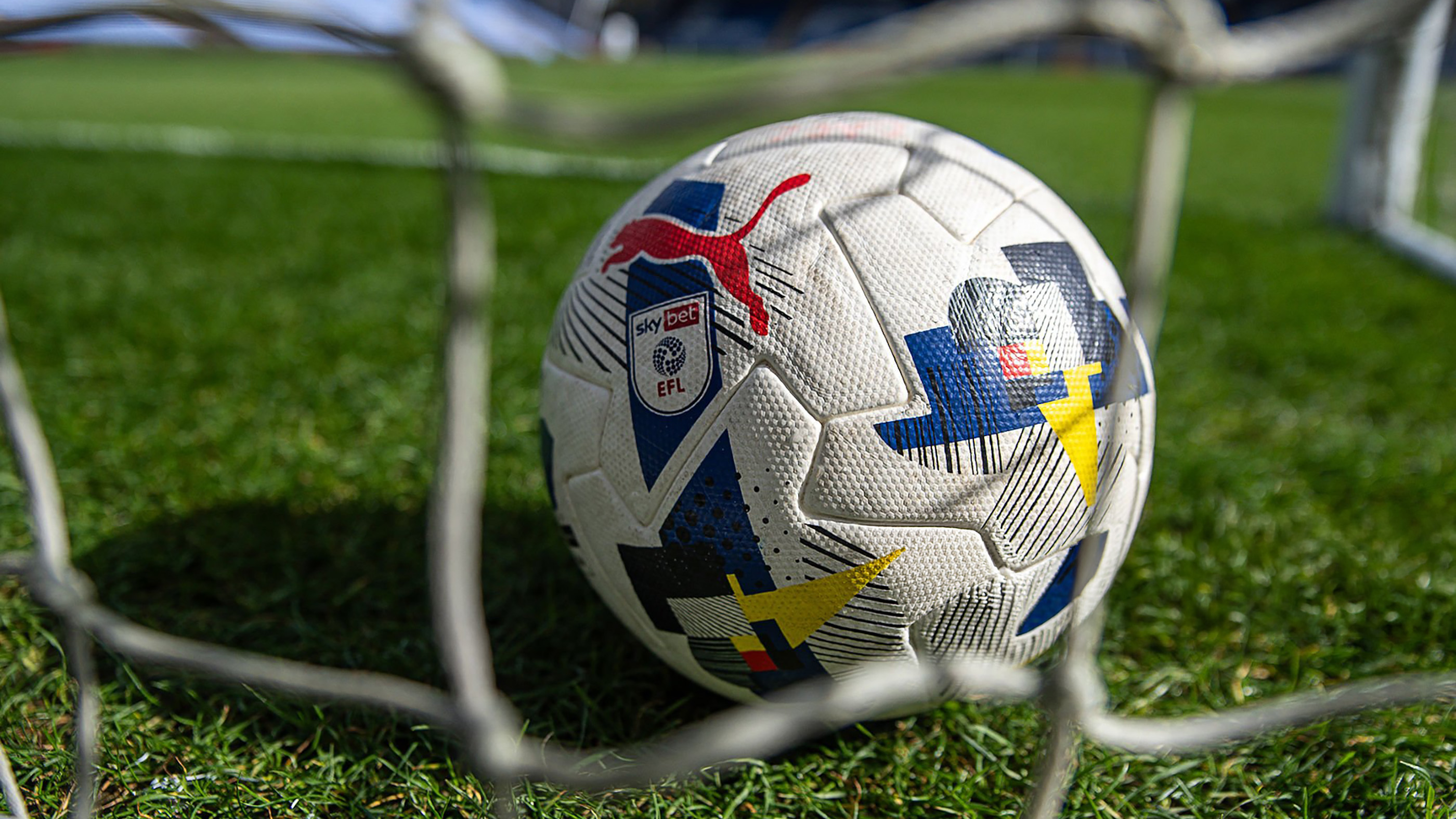
Every December, supporters of small English clubs wait for the same moment: the draw for the third round of the FA Cup. Their team has already survived months of early rounds in front of a few hundred people. Now the Premier League clubs enter, and one name pulled out next to theirs can shape their whole January.
That moment has been part of English soccer since 1871. The FA Cup is a knockout competition open to clubs at almost every level, and it rewards something the league table never does: one good afternoon. That is why its stories travel far beyond the towns where they happen.
A Draw that Protects Nobody
The 2026-27 edition is the 146th, and more than 700 clubs entered. Teams from far down the English game start in August. The Premier League and Championship clubs join on the weekend of January 9 and 10, 2027, when the cup is already full of stories.
What makes it work is the draw. There is no seeding at any stage, and from the third round on, any club can be paired with any other. A part-time club from a small town can pull a Premier League side out of the hat and host them at a ground with one covered stand.
The third-round weekend has a character of its own. Television cameras arrive at grounds that rarely see them, and local newspapers fill pages with the draw. For a small club, a home tie against a Premier League side can also bring in money that keeps it going for years.
Every Story Ends at Wembley
The road leads to one place. The 2026-27 final is set for Saturday, May 22, 2027, at Wembley Stadium in London, where the semifinals are played on April 24 and 25. Manchester City is the defending champion after beating Chelsea in the 2026 final.
Most seats at a final go to supporters of the two clubs, so the day is hard to plan far ahead. Once the semifinals have been played, fa cup final tickets become the focus for fans who want to be in the stands when the story ends.
City has been on the wrong end of a Wembley story before. In May 2013, Wigan Athletic reached the final while fighting relegation from the Premier League, against a City side that had won the league title a year earlier. In stoppage time, Ben Watson rose to meet a corner and headed in the winner.
Wigan won 1-0 and lifted the trophy for the first time. Three days later, a 4-1 loss at Arsenal sent them down, a week that sounds like fiction but was very real for their supporters. FourFourTwo's look back captures how strange those days were, and why the trophy is what Wigan fans remember.
The Day an 81-place Gap Disappeared
Not every underdog story reaches the final. Some of them live in a single afternoon. In February 2017, Lincoln City traveled to Burnley for a fifth-round game. Lincoln played in the National League, the fifth tier, while Burnley played in the Premier League. Between them were 81 places in the pyramid.
That number says a lot, because English soccer is built as a pyramid of leagues with promotion and relegation between them. That gives every club a clear place on the ladder. When a team from the bottom half meets one from the top, everyone knows exactly how many rungs apart they are.
About 3,000 Lincoln supporters had made the trip, and for 88 minutes the gap did not show. Then, in the 89th minute, defender Sean Raggett got his head to a corner, and the ball crossed the line before the goalkeeper could claw it back. Lincoln won 1-0, as beIN SPORTS reported at the time.
It made Lincoln the first club from outside the top four divisions to reach the quarterfinals since 1914. The run ended at Arsenal a few weeks later, but nobody in Lincoln remembers that part first. That is the logic of the cup: one game, one afternoon and one corner kick can be enough.
Why the Cup Still Matters
The gap between the Premier League and the lower leagues is large, in money and in quality. The FA Cup is one of the few places where it can close for ninety minutes. Lower-league players know it, and Premier League managers often think twice before resting players for a January trip to a small ground.
The stories run from a third-round shock in January to a final at Wembley in May, often in towns most fans had never heard of. Anyone looking for a way into English soccer can start right there. Pick an underdog in the third-round draw and follow them as far as they go.




Comments
No comments yet. Be the first to share your thoughts!